Explore our wide range of high-quality products and solutions tailored to meet your needs.
Process / Activity
PCB Fabrication (Rigid)
Process / Activity
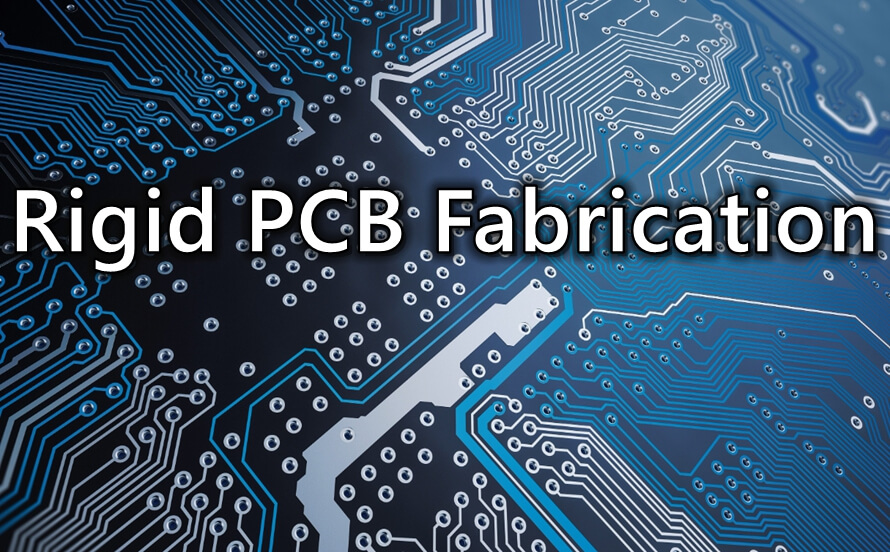
Rigid PCB Fabrication is the process of manufacturing non-flexible printed circuit boards—the kind you’ll find in computers, TVs, and most electronics. These boards are made from solid materials (usually fiberglass-based) and don’t bend.
Step-by-Step Rigid PCB Fabrication Process
1. Design (PCB Layout)
- Done using software like Altium Designer or KiCad
- Engineers design:
- Circuit connections (schematic)
- Board layout (placement + routing)
2. Printing the Design (Photoplotting)
- The PCB design is printed onto a transparent film (photomask).
- This film acts as a stencil for circuit patterns.
3. Substrate Preparation
- Base material: FR-4 laminate
- Copper layers are bonded on one or both sides.
4. Photoresist Application & Exposure
- A photoresist layer is applied to copper.
- UV light is used to transfer the circuit pattern from the mask.
- Exposed/unexposed areas change chemically.
5. Etching
- Unwanted copper is removed using chemicals.
- Only the desired circuit traces remain.
6. Drilling
- Holes are drilled for:
- Components (through-hole)
- Vias (connections between layers)
7. Plating
- Holes are plated with copper (electroplating).
- Ensures electrical connections across layers.
8. Solder Mask Application
- A protective layer (usually green) is applied.
- Prevents:
- Short circuits
- Oxidation
9. Silkscreen Printing
- Labels like:
- Component names
- Logos
- Printed on the PCB.
10. Testing & Inspection
- Electrical testing ensures no faults.
- Common tests:
- Continuity test
- Automated Optical Inspection (AOI)
Types of Rigid PCBs
- Single-layer
- Double-layer
- Multi-layer (e.g., 4-layer, 6-layer, etc.)
Key Materials Used
- FR-4 (Fiberglass epoxy)
- Copper foil
- Photoresist chemicals
- Solder mask ink
Advantages
- Strong and durable
- Cost-effective for mass production
- Reliable electrical performance
Limitations
- Cannot bend or fold
- Takes more space compared to flexible PCBs


Our Products
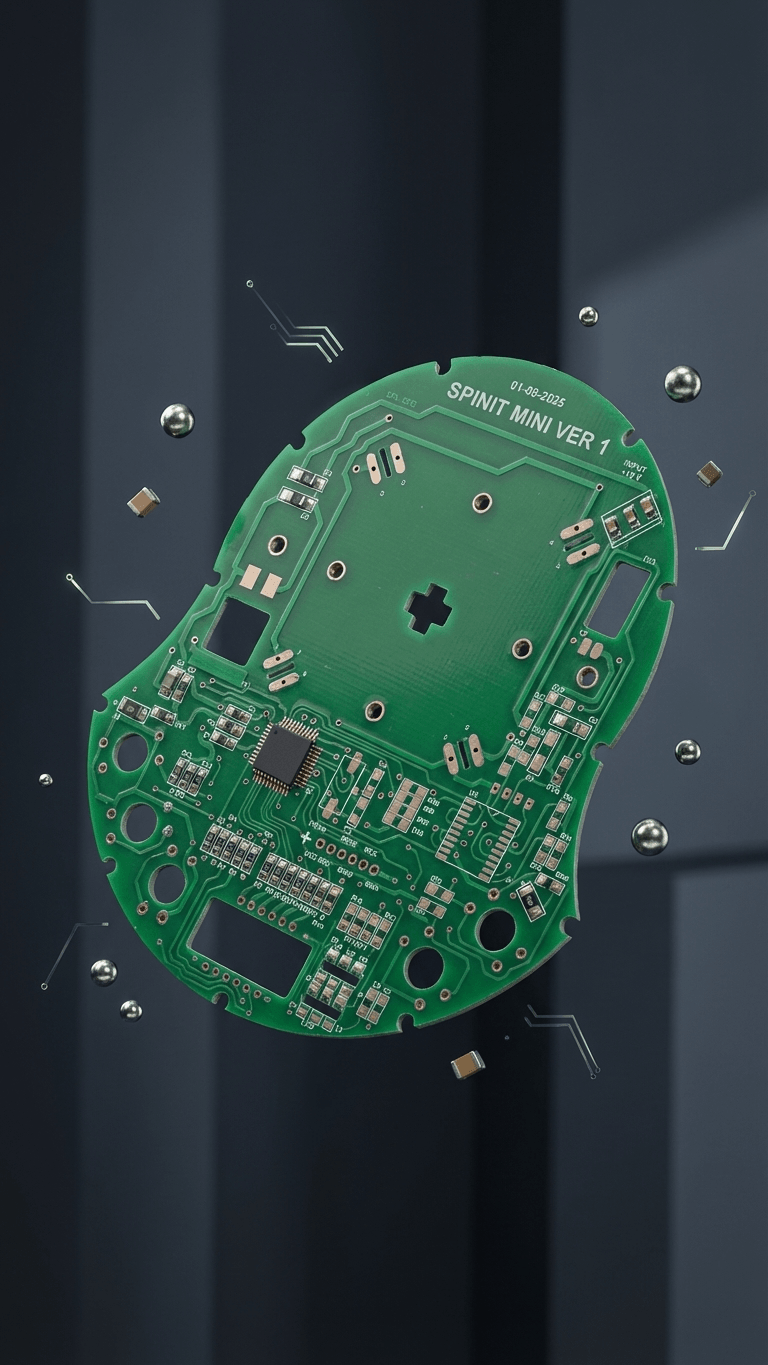
PTH Double Sided PCB
Plated Through Hole (PTH) double-sided PCBs offering higher circuit density, strong mechanical bonding, and enhanced reliability.
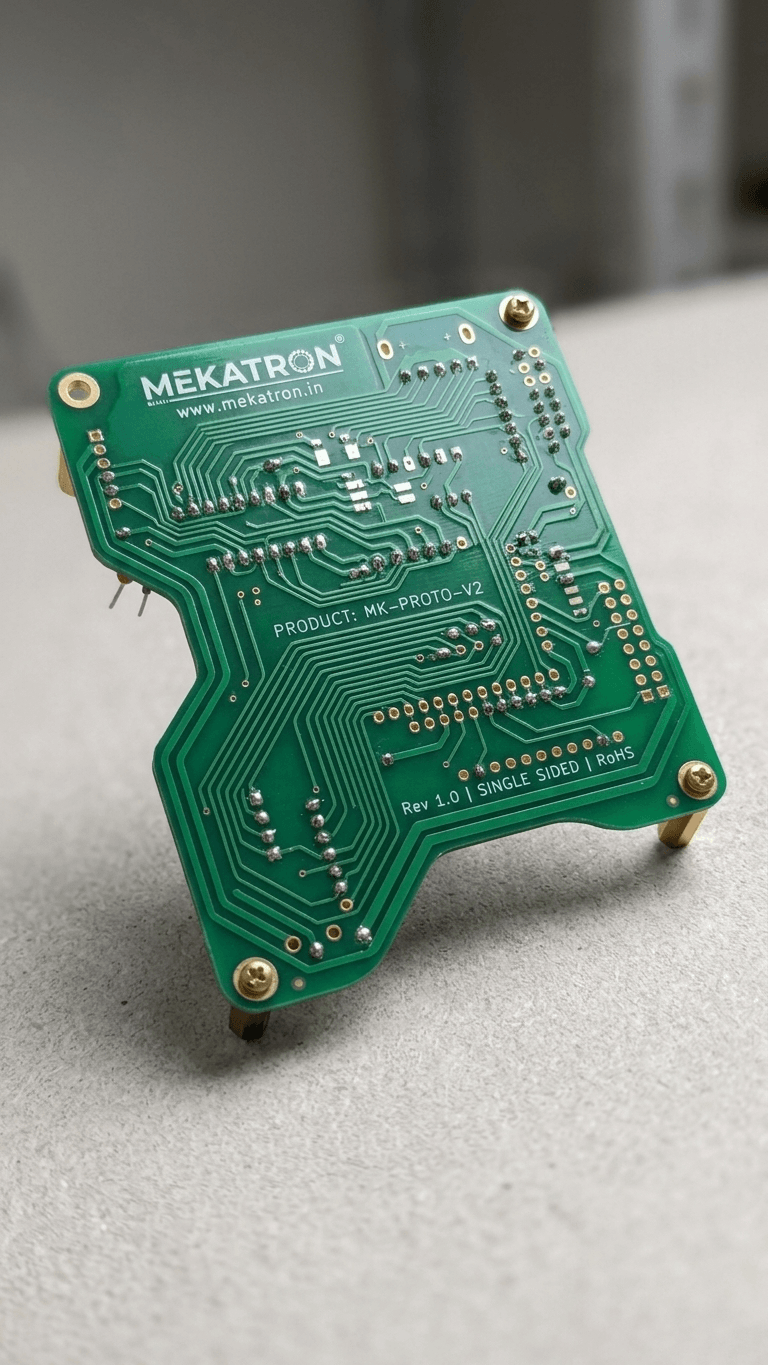
Single Sided PCB
Reliable single-layer printed circuit boards ideal for simple electronic applications and power supplies.
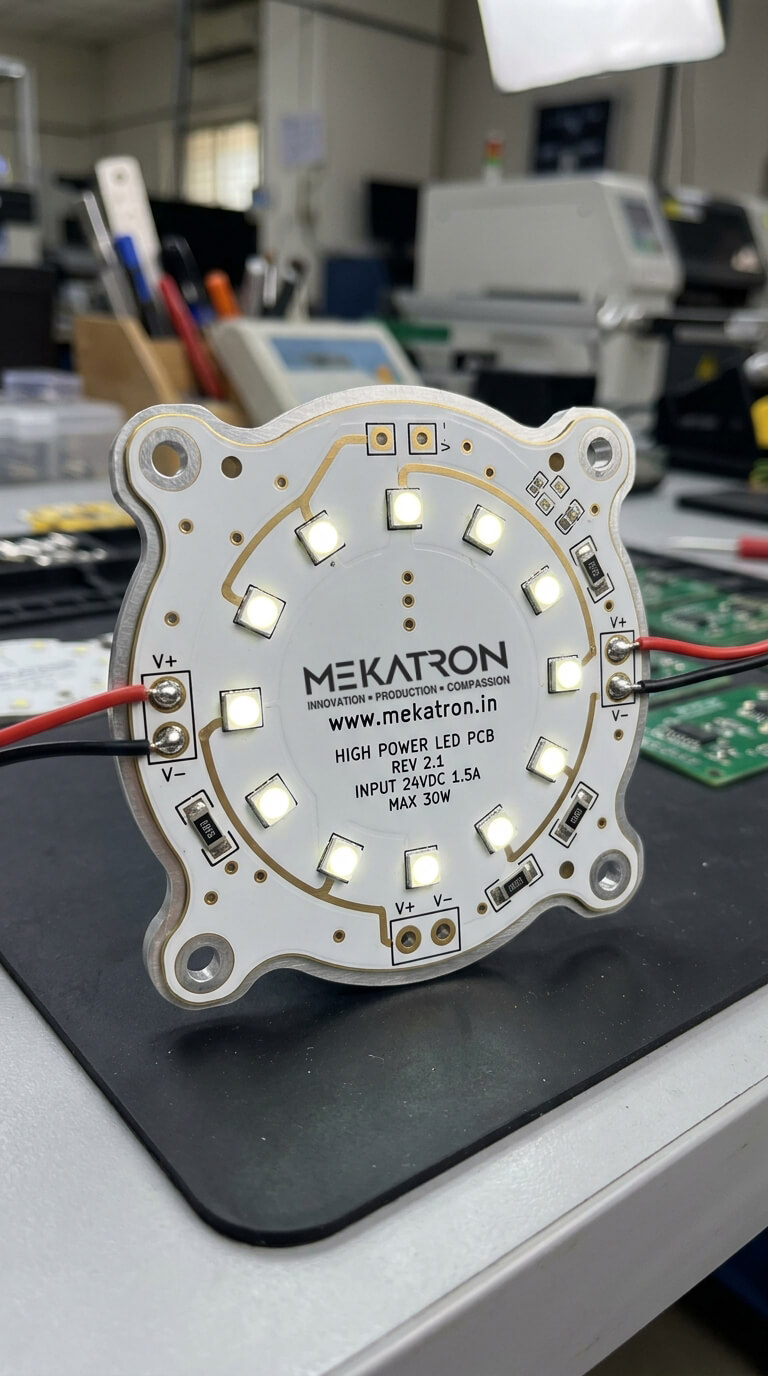
Aluminum Metal Core PCB
Metal Core PCBs specially designed for LED applications, ensuring excellent heat dissipation and longer product life.